

A child reaches out to pet a dog at a neighborhood gathering. The dog is standing quietly, and nothing appears unusual. A few seconds later, the animal snaps. Everyone is surprised. People often describe these incidents as happening “without warning,” but dogs usually communicate discomfort long before they react. The challenge is that many of those signals are subtle and easy to miss.
Learning to recognize canine body language can help reduce misunderstandings and improve safety around dogs. Whether interacting with a family pet or an unfamiliar animal, understanding these cues can make a meaningful difference.
Key Takeaways
- Dogs often display warning signals before reacting aggressively.
- Stress signals can be subtle and easily overlooked.
- Tail movement does not always indicate happiness.
- Facial expressions and body posture provide important clues.
- Children are more likely to miss canine warning signs.
- Recognizing discomfort early can help prevent bites and injuries.
Dogs Communicate Differently Than Humans
People naturally interpret behavior through a human lens. A smile, direct eye contact, or a friendly approach often signals positive intentions between people. Dogs communicate differently.
Misreading canine behavior can lead to uncomfortable or even dangerous interactions. Following a serious dog-related incident, conversations may shift from understanding animal behavior to discussions about injuries, medical treatment, and even guidance from a Las Vegas dog bite attorney when questions arise about responsibility and recovery. Long before those concerns emerge, however, recognizing canine communication remains one of the most effective ways to prevent problems.
Dogs rely heavily on body posture, facial expressions, movement, and personal space to communicate how they feel.
A Wagging Tail Does Not Always Mean Friendly
One of the most common misconceptions involves tail wagging. Many people assume that a wagging tail automatically means a dog is happy and approachable.
In reality, the tail’s position and movement matter. A loose, relaxed wag often signals comfort. A stiff tail moving rapidly may indicate excitement, tension, or uncertainty. In some situations, a dog may wag its tail while feeling defensive or anxious. Looking at the entire body rather than focusing only on the tail provides a more accurate picture.
Lip Licking and Yawning Can Signal Stress
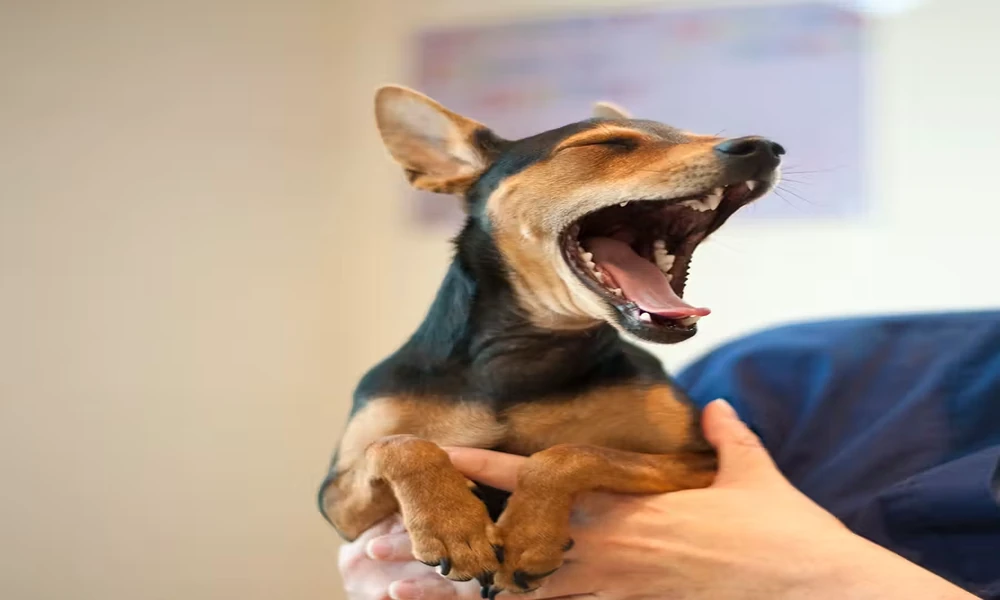
Dogs often display subtle stress signals before showing more obvious warning behaviors. Repeated lip licking, yawning when not tired, and frequent blinking can indicate discomfort. These actions may seem harmless, but they often serve as early signs that a dog feels uneasy.
When these signals appear, giving the dog additional space may help reduce tension and prevent escalation.
The Importance of Body Posture
A dog’s posture can reveal a great deal about its emotional state. A relaxed dog typically moves naturally and carries its body comfortably. A fearful dog may lower its body, tuck its tail, or lean away from people. Conversely, a dog that becomes rigid and stiff may be feeling threatened or preparing to react.
Many bite incidents occur after people overlook changes in posture that suggest growing discomfort.
Eye Contact Can Send Strong Messages
Humans often view direct eye contact as a sign of confidence or attentiveness. Dogs may interpret prolonged staring differently.
A hard stare can serve as a warning signal. Some dogs become uncomfortable when strangers maintain direct eye contact for extended periods. Looking for soft eyes versus a fixed, intense gaze can provide important clues about a dog’s emotional state. Respecting a dog’s space when warning signs appear helps reduce unnecessary stress.
Raised Fur Is More Than a Cosmetic Change
Raised hair along a dog’s back, often called raised hackles, can attract immediate attention. This reaction occurs when the dog’s nervous system becomes activated.
Many people assume raised fur automatically signals aggression. In reality, it simply indicates heightened emotion. The dog may feel excited, fearful, uncertain, or defensive.
Because raised hackles can accompany several emotional states, they should be evaluated alongside other body language signals.
Children Often Miss Important Signals
Children frequently interact with dogs in ways that adults do not. They may hug, approach quickly, or invade a dog’s personal space without realizing it.
At the same time, children are less likely to recognize subtle warning signs such as lip licking, stiff posture, or avoidance behaviors. This combination can increase the likelihood of misunderstandings.
Teaching children to respect boundaries and observe canine behavior can significantly improve safety around dogs.
Respecting Boundaries Helps Prevent Incidents
Many dog-related injuries occur because a dog’s attempts to communicate discomfort go unnoticed. When people recognize warning signs early, they can adjust their behavior before a situation escalates.
Allowing dogs to approach voluntarily, avoiding sudden movements, and respecting personal space are simple practices that encourage safer interactions.
In situations where a dog bite does occur, injured individuals may face medical expenses, recovery challenges, and questions regarding their legal rights. Experienced trial attorneys can help explain available options while individuals focus on healing.
Better Understanding Creates Safer Interactions
Dogs communicate constantly, but their language differs from our own. Tail position, body posture, facial expressions, eye contact, and subtle stress signals all provide valuable information about how a dog feels.
Recognizing these often-overlooked warning signs can help prevent misunderstandings and reduce the risk of injury. The more people understand canine body language, the safer and more positive their interactions with dogs can become.
