

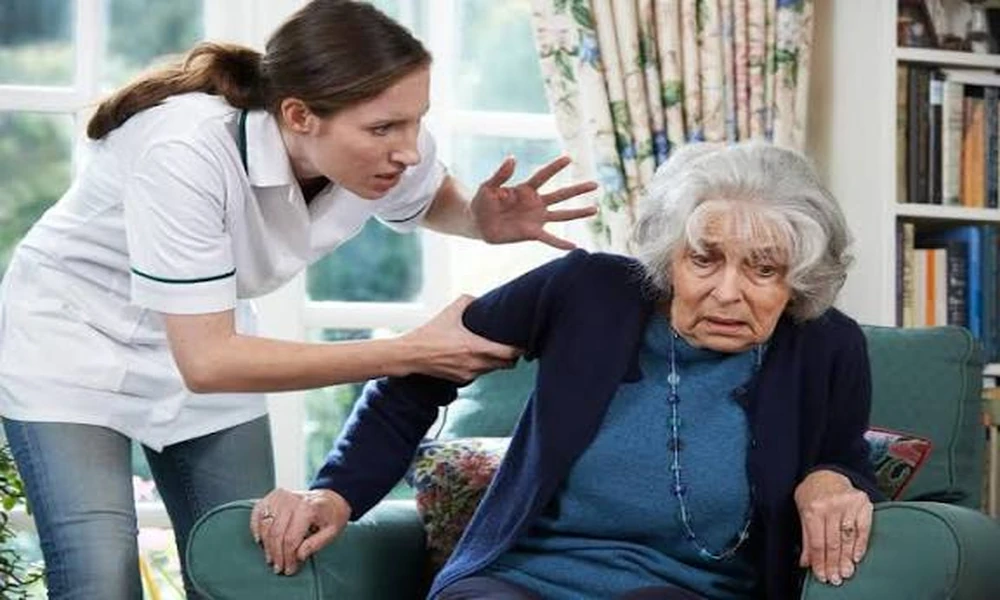
Placing a loved one in a nursing home often comes with a mix of relief and worry, relief that they will receive round the clock care, and worry about whether that care will actually be adequate. Unfortunately, nursing home abuse and neglect remain a persistent problem in facilities across Illinois, and family members are often the first line of defense in noticing when something is wrong.
Regular visits and close attention during those visits often make the difference between catching a problem early and missing it entirely.
Recognizing the signs early and knowing what steps to take can make a meaningful difference in protecting a vulnerable resident and holding a facility accountable when care falls short.
Understanding the Different Forms of Nursing Home Abuse
Nursing home abuse takes several forms, and not all of them leave visible marks. Physical abuse involves direct harm such as hitting, improper restraint, or rough handling during care. Neglect, which is actually the most common form of mistreatment, occurs when a facility fails to provide adequate food, hygiene, medical attention, or supervision.
Emotional abuse can include verbal intimidation, isolation, or humiliation, while financial exploitation involves misusing a resident’s money or property. Chicago personal injury attorneys who handle these cases regularly see how difficult it can be for families to distinguish between an isolated incident and a pattern of ongoing mistreatment. Understanding these categories helps families know what specific evidence to gather when concerns first arise.
Physical Warning Signs Families Should Watch For
Certain physical signs warrant closer attention when visiting a loved one in a nursing home. Unexplained bruises, cuts, or fractures, particularly in patterns inconsistent with an accidental fall, can indicate physical abuse. Bedsores, also known as pressure ulcers, often develop when a resident is not repositioned regularly and can signal neglect if they progress to advanced stages.
Sudden weight loss, dehydration, or poor hygiene may point to inadequate care, while frequent infections or unexplained hospitalizations can also be red flags worth investigating further. Torn or bloodstained clothing and bedding is another detail worth noting during a visit, since it can point to an incident staff did not report.
Behavioral and Emotional Signs of Mistreatment
Behavioral changes are sometimes the earliest indicator that something is wrong, even before physical signs appear. A resident who becomes withdrawn, anxious, or fearful, particularly around specific staff members, may be responding to mistreatment they are unable or afraid to report directly. Sudden changes in mood, increased agitation, or a noticeable shift in personality can also signal emotional abuse or neglect.
Family members who know their loved one well are often best positioned to notice these subtle shifts during regular visits. Residents with dementia or cognitive decline are especially vulnerable, since they may struggle to communicate what has happened to them clearly.
Financial Exploitation and Other Less Obvious Forms of Abuse
Financial exploitation is a less visible but equally serious form of nursing home abuse. This can involve staff members or even other residents accessing a resident’s bank accounts, forging signatures, or pressuring them into changing legal documents like a will or power of attorney. Missing personal belongings, unexplained withdrawals, or sudden changes to financial arrangements should prompt a closer look.
Sexual abuse, though less commonly discussed, is another serious concern, and any signs of unexplained injury or distress around personal care should be taken seriously and reported immediately. Reviewing bank statements periodically, with the resident’s consent, can help catch financial exploitation before it escalates.
Steps to Take If You Suspect Abuse or Neglect
If you suspect abuse or neglect, documenting what you observe is an important first step. Take photographs of any visible injuries, keep a written record of dates and specific concerns, and save any relevant communications with facility staff. Report your concerns directly to the nursing home administration, and consider filing a complaint with the Illinois Department of Public Health, which oversees licensed care facilities.
If your loved one is in immediate danger, contact local authorities. Consulting with an attorney early in the process can also help preserve evidence before it is lost or altered. Requesting a copy of your loved one’s care plan and recent medical records can also provide useful documentation if a legal claim becomes necessary.
Conclusion
Nursing home abuse and neglect can be difficult to detect, but staying attentive during visits and trusting your instincts when something feels wrong can protect a vulnerable loved one from ongoing harm. Illinois law provides specific protections for nursing home residents, and families who act quickly on their concerns are often in the best position to stop mistreatment and pursue accountability.
Documenting concerns, reporting them promptly, and understanding your legal options all play a role in protecting a resident’s safety and dignity. No family should feel they have to navigate this process alone or simply accept a facility’s explanation without question.
If you believe your loved one has experienced abuse or neglect, speaking with experienced nursing home negligence attorneys can help you understand your options and take the next step toward accountability.
━━━ PART 2
